Owning a recreational vehicle (RV) opens up a wide range of travel possibilities, but the insurance coverage that can financially protect you does not automatically extend to every adventure along the way. Off-road use, unpaved forest paths and remote campsite access roads introduce risks that standard RV insurance policies may not address. Understanding where your coverage ends matters before you leave the pavement behind.
What Standard RV Policies Typically Cover 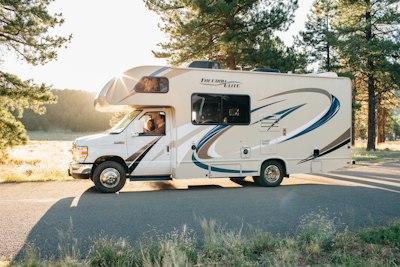
Many RV insurance policies are built around road travel and campsite living. Common coverages include:
- Collision coverage for accidents
- Comprehensive coverage for noncollision damage, such as fire or theft
- Liability coverage for bodily injury or property damage you cause to others
- Personal belongings coverage for gear and valuables in the RV
- Uninsured/underinsured motorist coverage for accidents caused by a driver with little or no liability coverage
- Emergency expense coverage for lodging and other living expenses if your RV becomes uninhabitable after a covered loss
Off-road use, however, often falls outside the scope of these provisions.
The Off-road Coverage Gap
When an RV leaves a maintained road for a trail, a gravel path or a remote campsite, the exposure changes. Undercarriage damage, rollovers on uneven terrain and getting stuck in mud or water are scenarios that may require separate coverage or a specific policy endorsement. Towing costs after an off-road incident can add up quickly without the right roadside assistance rider attached to your policy.
Get RV Insurance Before Your Next Trip
Review your current policy for off-road exclusions before your next adventure. Ask your agent about endorsements that can extend coverage to unpaved terrain, and confirm whether your roadside assistance applies off public roads.
Contact The Insurance Station today for personalized guidance on RV insurance. We proudly serve clients in and around Altoona, IA.
This blog is intended for informational and educational use only. It is not exhaustive and should not be construed as legal advice. Please contact your insurance professional for further information.